
Previously published in The Jackson County Star on Sept. 26, 2024
What does energy mean to you? That can be a controversial question these days.
For most of my life, energy meant the wall switch I flipped to light the room, and the gasoline I pumped into my car. I didn’t think about how those electrons got into my light bulb. I didn’t think too much about how the gasoline got into the pump, except for a brief time in the 1970s when OPEC stopped filling our pumps and I had sit in long lines on my designated day. That crisis passed. Once again, I stopped thinking about energy.
Fourteen years ago, my husband and I built a home in Durango with thermal solar for heat, solar PV for electricity and, a few years later, batteries. I thought more about energy, but just our little home system. I didn’t think about where my rural co-op got the electricity that was our reliable backup. I didn’t think about the energy workers who sent me those electrons. I didn’t think about the carbon footprint of our Chinese-manufactured solar panels. Out of sight is out of mind.
Seven years ago, I started advocating for national policies to phase out carbon emissions and build a clean energy economy. I did that because I have two boys who I love more anything, and I want them to have a stable future. As a citizen lobbyist, I thought about energy, but in fuzzy, theoretical terms. Solar worked great for our home. Why wouldn’t it work great to run our grid? I learned about coal workers and the importance of “just transition”, an equally fuzzy concept to me at that time. Good paying clean energy jobs would be waiting for those coal workers, wouldn’t they?
Seven years ago, the energy transition was a theory. Today it’s a fast-moving reality, at least in Colorado. We have an opportunity to leave a healthier world for our children. But we need to take care of today’s problems and today’s people at the same time. Clean energy will only succeed if we make it reliable, affordable, and resilient to our changing world. Economies need to be transformed. Fossil energy companies, workers and their communities need transition paths that foster pride, stability, and opportunity. They have powered our lives for a long, long time.
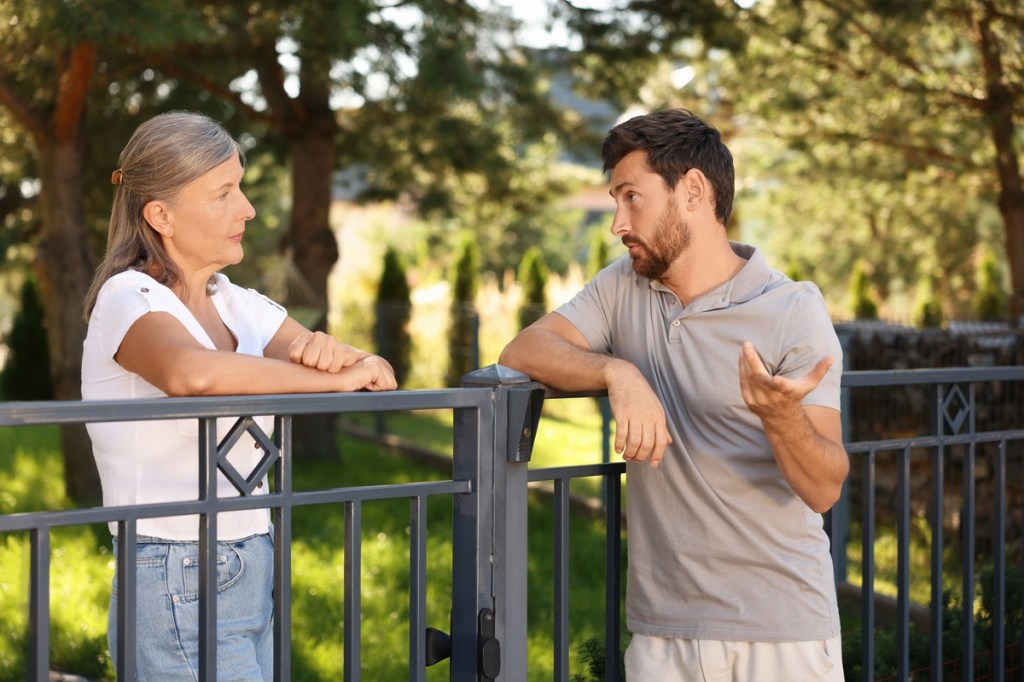
Five years ago, I joined Club 20, an advocacy organization for Western Colorado. My fuzzy, well-intentioned ideas about energy and climate change came up against the realities and opposing viewpoints of people whose lives were built around energy work. I got to meet the folks who’d been sending me electrons all those years and filling the gasoline pumps I used. They welcomed me with a surprising amount of grace. I listened and learned. It took a long time to comprehend the magnitude of change they are swimming through.
Six civic leaders that I know from Club 20 formed Joint Organizations Leading Transition (JOLT), and I recently attended their 2nd annual Northwest Colorado Energy Summit. The summit featured experts on nuclear, wind, solar, geothermal, hydropower, the grid, , and workforce transition. The committee deliberately included diverse viewpoints and ideologies, yet everybody got along. We listened and learned from each other. One of the organizers, Matt Shuler, put it this way: “We need to have a great discussion instead of picking winners and losers. There are 100 different ideas, not one right answer.”
If we want a better future, we need to reinvent ourselves, including our hard lines and sacred causes. Factions fighting against each other is the least likely way to make lasting change that works for people. Try approaching challenging conversations with curiosity. Take time to listen, even when you disagree. Locate your sense of humor. I see open minds and open hearts as our quickest path to an energy-abundant, sustainable future. That’s how I’ve learned to think about energy.times. That’s how I’m learning to think about energy.
 Powering Forward
Leave a comment