
Previously published in the Grand Junction Sentinel.
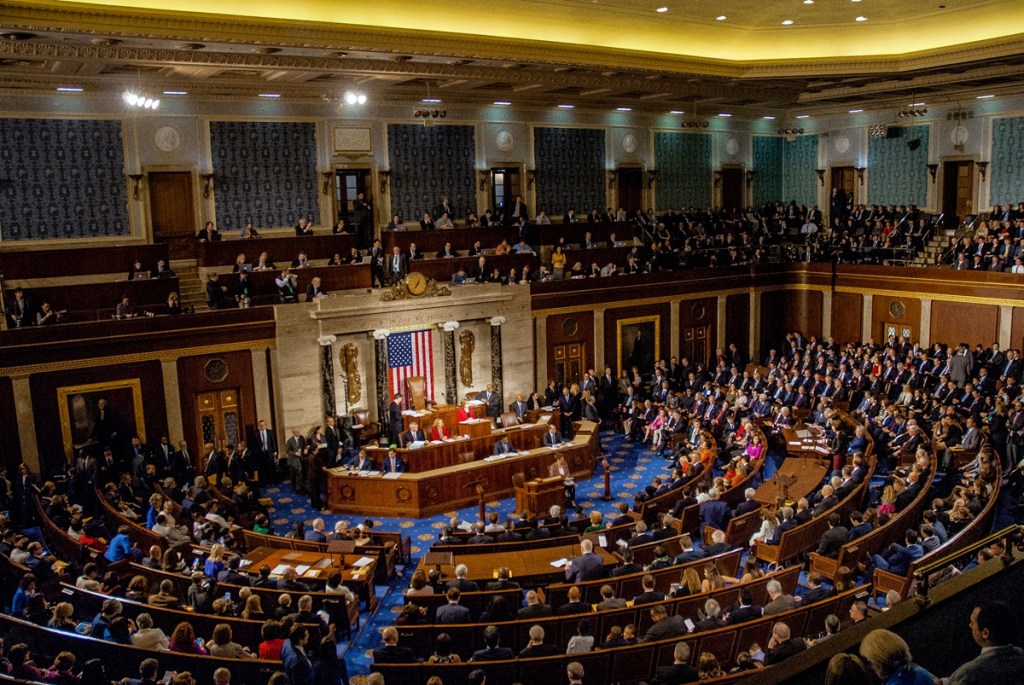
Ask people around western Colorado whether Congress can still solve big problems, and you’ll mostly get a laugh. I understand why. But one exception is waiting for a vote in the Senate right now, and Colorado’s senators can help get it across the finish line.
The Bipartisan American Affordability and Jobs Act (BAAJA) was built the way we keep saying laws should be built. Republican and Democratic leaders negotiated it with the White House, and its component pieces were debated in public hearings over several years. And it takes on a problem that touches every household: we can’t build energy infrastructure fast enough to keep power affordable and reliable.
Consider transmission. On average it takes a decade to build a new high-voltage power line in this country. Meanwhile, more than 2,000 gigawatts of proposed generation and storage are waiting in line to connect to the grid.
BAAJA goes after those bottlenecks. It requires better regional transmission planning and assigns costs to the people who benefit. It speeds up grid connections, gets more capacity out of the lines we already have, and helps keep data center costs off household bills.
Independent modeling by C2ES and Greenline Insights examined four regions that serve more than half the nation’s electricity demand. In 2035 alone, the bill’s transmission and interconnection reforms could save residential customers there $1.1 billion, cut the cost of power outages by 76%, and reduce power-sector emissions by 9%.
Does everyone love every provision in BAAJA? No. Some environmental groups I respect oppose changes to the National Environmental Policy Act and other environmental laws, including shorter deadlines for lawsuits. Those are real tradeoffs, and I don’t dismiss them. But the status quo isn’t environmentally neutral. Every year a transmission line sits in review is another year we lean on the fossil generation we already have. About 90% of new U.S. power capacity built last year was clean energy, so making it easier to build helps clean energy most.
Some argue Democrats should wait for a better deal in the next Congress. Both this bill and the last serious permitting effort each took about two years to negotiate. The constraints won’t change in January. We’ll still have two more years of the Trump administration, and the Senate will still need 60 votes. Starting over means losing years, and the next Congress will already have its hands full with other serious problems including war, inflation, health care, and our national debt.
Senator Hickenlooper knows what it took to get this far. For years, he has championed transmission reforms like those addressed in this bill. When bipartisan talks stalled this spring, he invited the lead negotiators from both parties to dinner to keep the project going. That’s the quiet, unglamorous work that gets bills passed, and I hope he’ll carry it through the final vote.
Both our senators have strong conservation records, and some long-time allies oppose this bill. I understand that pull. But in 2022, when Senator Bennet voted for an earlier permitting bill, he said, “the status quo is at war with the urgent need to lower energy costs, rapidly deploy clean energy, and tackle climate change.” He called that bill imperfect and “a sensible step forward.” The same is true of this one, and with electricity demand rising, the stakes are higher now.
Nobody got everything they wanted. That’s what hard-won compromise looks like. Congress needs to show it can still solve big problems, and it only does that by actually solving them.
Senators, please take the win. Support BAAJA when Congress returns after the election. Then picture the decade ahead: new transmission lines built in years, not a decade; power and storage projects moving out of wait queues and onto the grid; and Colorado families paying less for power they can depend on.


Leave a Reply